The third largest city of the
state, Coimbatore, the headquarters of a district of the
same name, is one of the most industrialised cities in Tamil
Nadu. Known as the textile capital of South India or the
Manchester of the South, the city is situated on the banks
of the river Noyyal. Coimbatore existed even prior to the
2nd century AD as a small tribal village capital called
Kongunad until it was brought under Chola control in the 2nd
or 3rd century AD by Karikalan, the first of the early
Cholas. Among its other great rulers were the Rashtrakutas,
Chalukyas, Pandyas, Hoysalas and the Vijayanagara kings.
When Kongunad fell to the British along with the rest of the
state, its name was changed to Coimbatore and it is by this
name that it is known today, except in Tamil, in which it is
called Kovai.
Located in the
shadow of the Western ghats, Coimbatore enjoys a very
pleasant climate the year round, aided by the fresh breeze
that flows in through the 25 kms long Palakkad gap. The rich
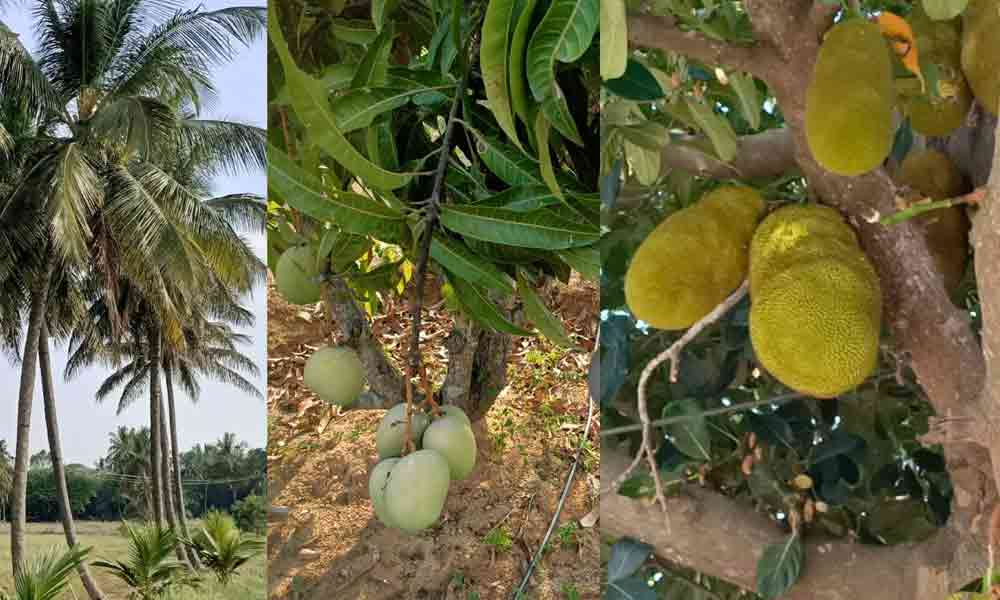
black soil of the region has contributed to Coimbatore's
flourishing agriculture industry and, it is in fact that the
successful growth of cotton that served as a foundation for
the establishment of its famous textile industry. The first
textile mills came up as far back as 1888 but there are now
over a hundred mills. The result has been a strong economy
and a reputation as one of the greatest industrial cities in
South India.
Coimbatore
serves as an entry and exit point to neighboring Kerala and
the ever popular hill station of Udagamandalam(Ooty). It is
the disembarking point for those who want to take the
Mountain train that runs from Mettupalayam, just 35 kms from
Coimbatore. There are also regular bus services from
Coimbatore to Ooty.